

70 and counting
Our story began with a simple but powerful idea: that opera belongs to everyone. Australia’s national opera company was formed when a band of everyday Australians — butchers, pharmacists and newsagents — united to celebrate the 1956 Mozart bicentenary with a touring season of the composer’s The Magic Flute, Così fan tutte, The Marriage of Figaro and Don Giovanni.
As we celebrate our 70th anniversary in 2026, we continue a tradition of artistic excellence, community engagement and innovative programming, ensuring opera remains a vibrant, evolving artform that speaks to contemporary audiences and enriches lives.
Throughout the year, we break ground with new work that redefines what opera can be, and we offer fresh perspectives on the much-loved canon. We also bring some of the world’s most-loved musical theatre experiences to Australia, combining storytelling, music, drama and spectacle.
Across decades our company has nurtured emerging talent. In 2026 we create a continuous thread between past achievements and future possibilities, training today’s young artists and creatives to take their place both on stage and off.
Supported by our generous community of donors, partners, government investors and sector partners we continue our mission to share great stories through music and song that appeal across generations, genres and geographies. We are sincerely grateful to our extensive community of supporters whose belief in Australia’s national opera company sustains all that we do.
We are approaching our future with the same resolute spirit that drove that band of everyday Australians to create something extraordinary 70 years ago. Whether you’re an audience member, artist, creative, industry colleague, employee or longstanding opera-lover, we warmly invite you to join us in our 70th anniversary year.
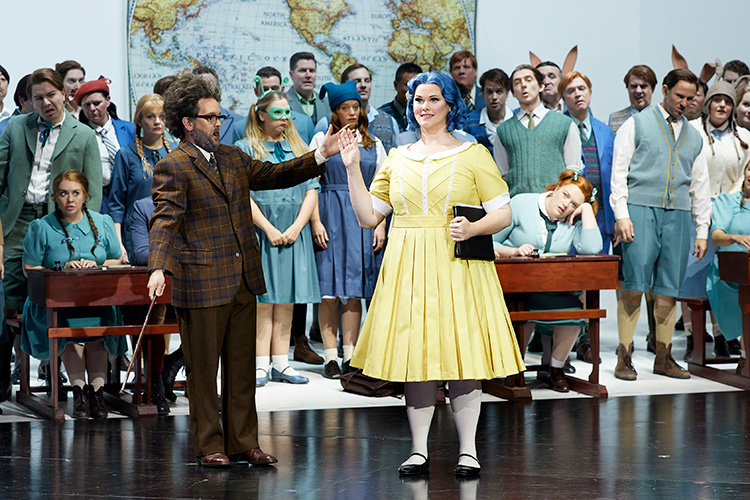
The 1950s
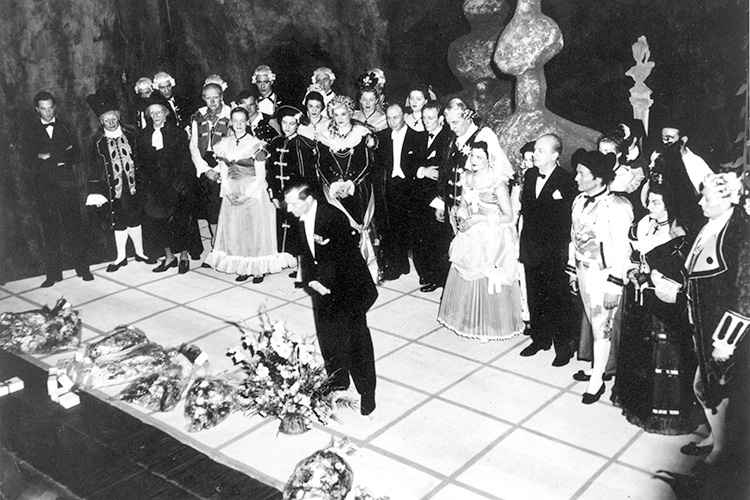
It all began in 1956 when a group of Mozart lovers sacrificed their day jobs on the altar of artistic endeavour to stage four of the composer’s operas in celebration of the 200th anniversary of his birth. Opening in Adelaide, then on to Sydney via Brisbane, Hobart, Melbourne and Perth, the company initially known as the Elizabethan Trust Opera Company demonstrated a national appetite for one of the world’s most impassioned and spectacular artforms.
The 1960s
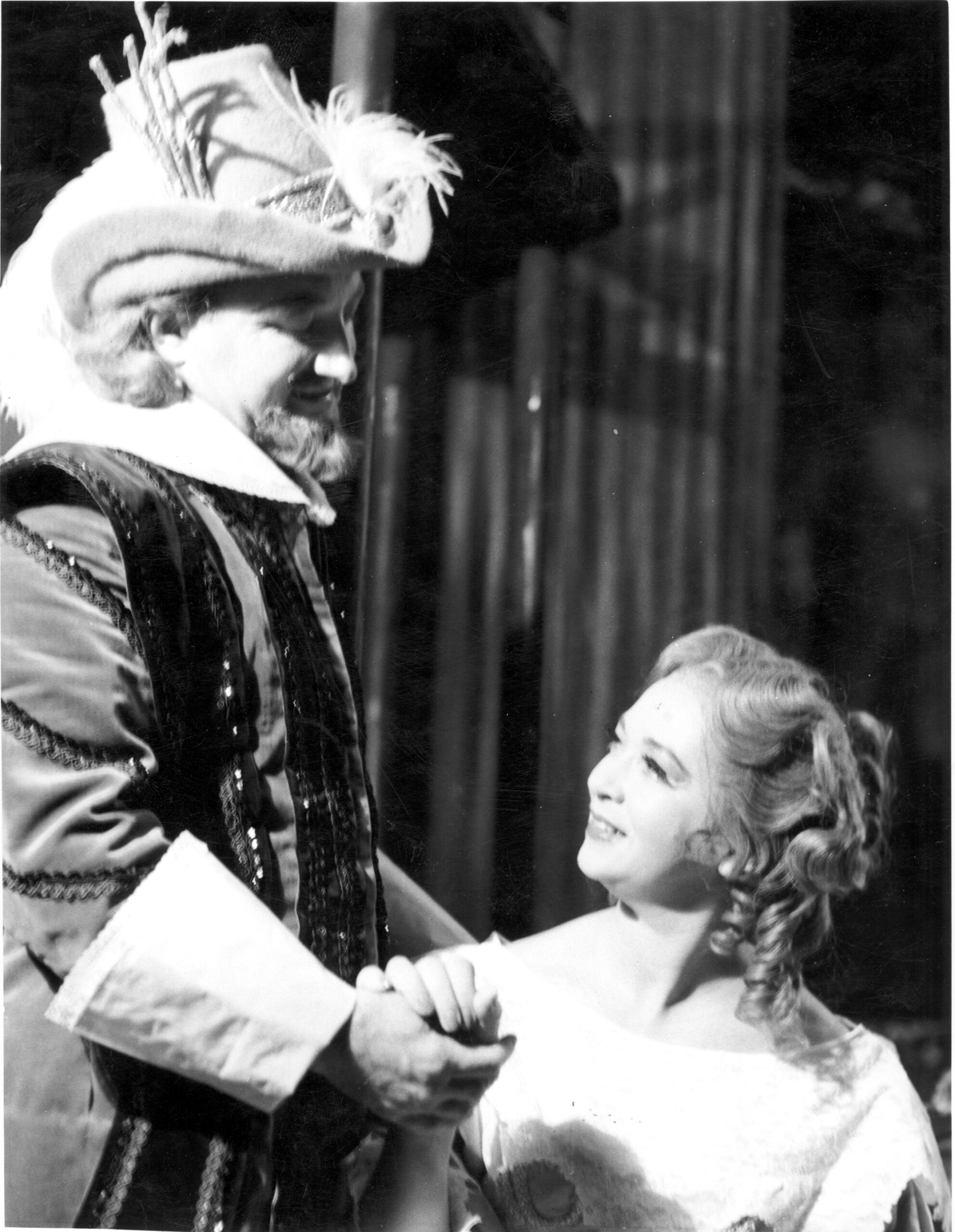
With opera flourishing at home, the eyes of the world were on a 24-year-old Australian making waves abroad. Since leaving Sydney for Covent Garden in 1951, Joan Sutherland had emerged as the diva of the day. Her homecoming in 1965 at the invitation of J. C. Williamson Ltd. saw her embark on a 14-week, four-city tour, powering through 43 performances, from her signature Lucia to the leads in La Traviata, La Sonnambula and Faust. The company included Sutherland’s husband, conductor extraordinaire Richard Bonynge — who won a scholarship to the Sydney Conservatorium of Music when he was twelve — alongside Elizabethan Trust Opera Company staff, chorus and many of its finest singers. Oh, and a 29-year-old up-and-comer by the name of Luciano Pavarotti. Two years later, the NSW government offered a grant to set up a permanent state company.
The 1970s
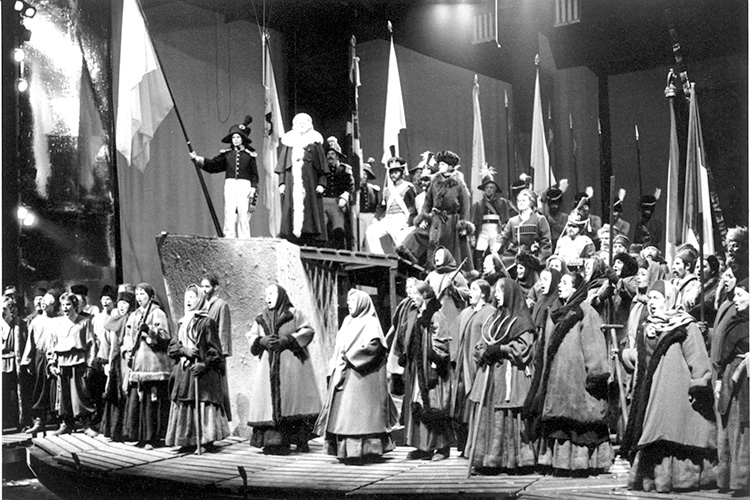
The Sydney Opera House opened in 1973, in a watershed moment for Australian culture. The renamed Australian Opera’s first performance in its permanent Sydney home was Sam Wanamaker’s inaugural production of Prokofiev’s War and Peace featuring 41 principals and a chorus of 50. It wasn’t long before Sutherland was back, winning fresh plaudits singing all three heroines in The Tales of Hoffmann and adding new roles to her repertoire including Suor Angelica and Elettra in Mozart’s Idomeneo.
The decade also saw Elijah Moshinsky’s debut with a bold and distinctive Wozzeck, and the debut of soprano Leona Mitchell, who sang Madama Butterfly in 1977 and went on to win hearts in Tosca, Turandot and Aida. Verdi’s Egyptian epic was performed in the Opera House’s Concert Hall as the Joan Sutherland Theatre couldn’t accommodate a production of its scale — a consequence of changes from the original multi-purpose design vision for the theatre.
The 1980s
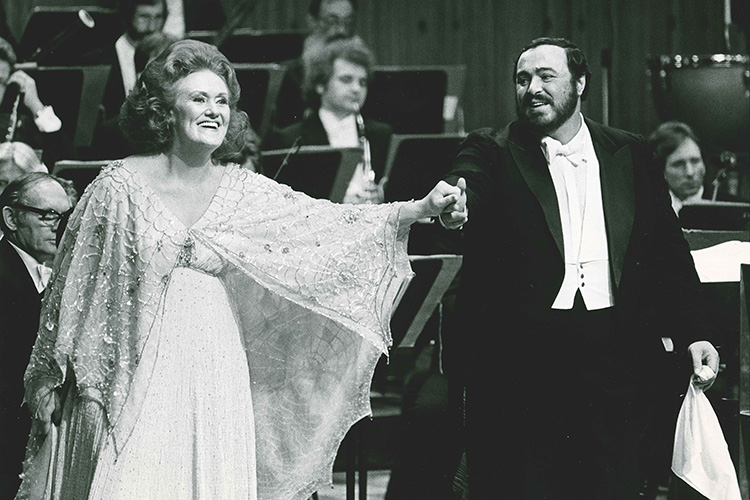
In a decade famous for extravagance in popular culture, opera saw an increased focus on staging and design, helping the artform to attract new audiences. Sutherland and Bonynge took centre stage with a string of classic performances including Moshinsky’s stagings of The Carmelites and Il Trovatore, the latter with scenery designed by Australian artist Sidney Nolan. In 1982, Sutherland even found time to be part of the company’s inaugural Opera in the Domain, singing Violetta in La Traviata. Pavarotti was back too, performing in La Bohème and a gala concert in 1983.
Significantly, Richard Meale and David Malouf's 1986 opera based on the Patrick White classic Voss marked a significant step forward in developing homegrown Australian work.
The 1990s
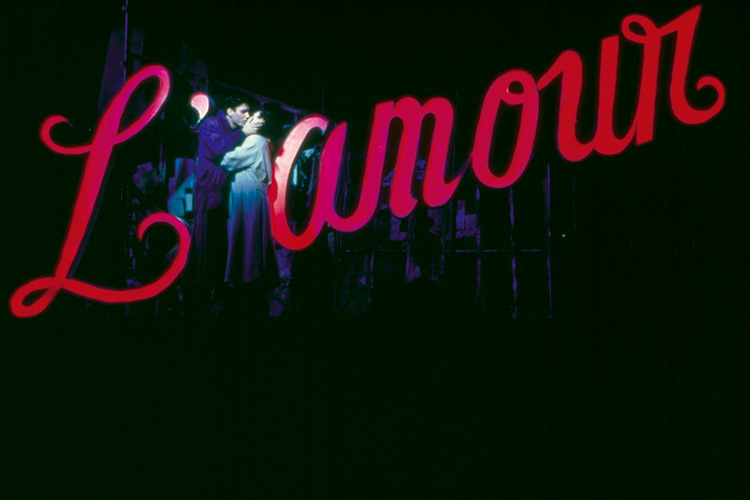
Sutherland kicked off the 90s with her final full-length dramatic performance in Meyerbeer’s Les Huguenots, famously signing off with “Home Sweet Home”. Meanwhile, Moshinsky was creating some of his most enduring productions, including Rigoletto, La Traviata and a silent movie-inspired Barber of Seville.
Elsewhere, Baz Luhrmann’s shoestring staging of La Bohème proved a palpable hit, going on to conquer Broadway. His 1993 production of A Midsummer Night’s Dream was equally distinguished, becoming the first Australian opera production to be performed internationally when it played the 1994 Edinburgh International Festival.
Two years later, the Australian Opera merged with the Victoria State Opera to become Opera Australia under the far-sighted artistic leadership of Moffatt Oxenbould whose iconic Madama Butterfly premiered in 1997.
The company also built on its long history of touring with a new National Tour program called OzOpera, launched in 1996. The National Tour continues to this day, bringing opera to rural and remote communities across the country.
The 2000s
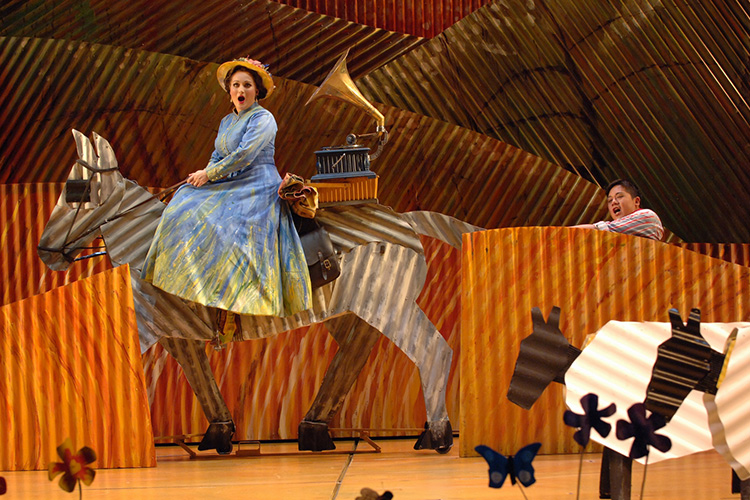
A string of distinguished directors dominated the decade including Simon Phillips, who in 2001 created his enduring production of The Elixir of Love set in the Australian outback, Harry Kupfer, whose 2003 Otello with its monumental staircase still has the power to overwhelm today, and Elke Neidhardt, whose 2004 Il Trovatore was drama-heavy. American powerhouse Francesca Zambello created a quirky The Love for Three Oranges in 2005 and three years later, a steamy, acclaimed Carmen, in co-production with Covent Garden.
The 2010s
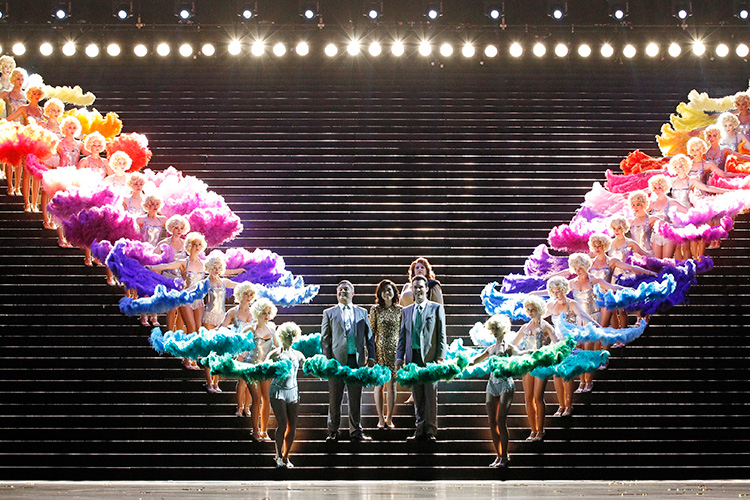
Headlining a decade of firsts was the 2012 launch of Handa Opera on Sydney Harbour under the artistic leadership of Lyndon Terracini. Zambello’s La Traviata starring Emma Matthews won critical praise and Handa Opera on Sydney Harbour became a must-see annual event on Sydney’s cultural calendar. Equally important was the company’s first ever staging of Wagner’s Ring Cycle in Melbourne in 2013, directed by Neil Armfield and with a starry mix of overseas and local talent.
Musicals also took their place in the programming mix, beginning with Bartlett Sher’s Broadway production of South Pacific in 2012 and with a new 60th anniversary staging of My Fair Lady in 2016, directed by Dame Julie Andrews.
Among a host of rising stars, Nicole Car emerged as an Australian soprano of international standing.
The 2020s
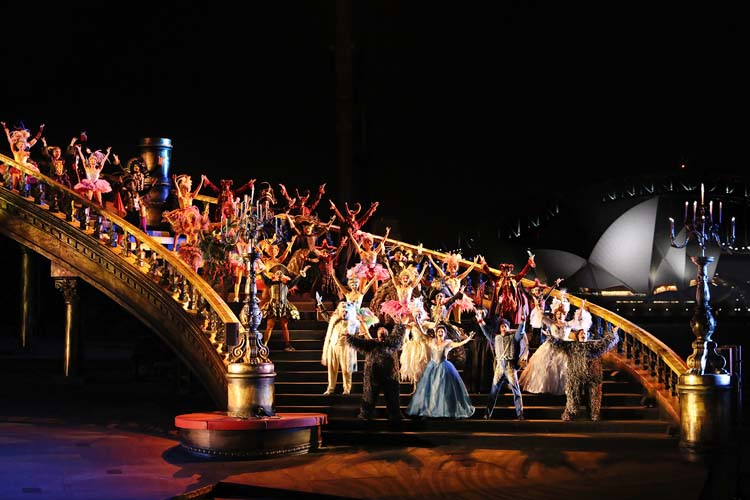
Emerging from the global pandemic, in 2022, The Phantom of the Opera became the Sydney Opera House’s fastest selling production of all time. The same year, Jonas Kaufmann made his Australian staged opera debut with Lohengrin. Soon after, the company mounted its second Ring Cycle in Brisbane, a “fully digital” spectacular directed by Chen-Shi Zheng. Collaborations with leading companies both overseas and at home have also become increasingly important, including The Tales of Hoffmann coproduced with The Royal Opera, Covent Garden, Opéra National de Lyon and Teatro La Fenice starring Jessica Pratt, and Eucalyptus, a new Australian opera co-commissioned and co-produced with Victorian Opera.
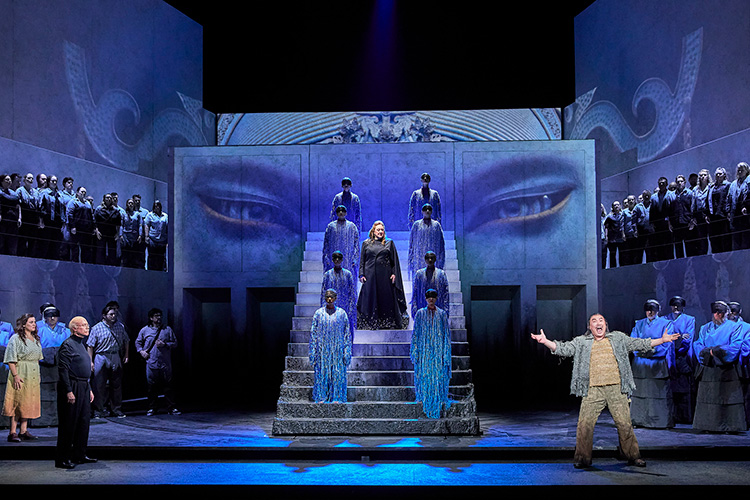
In 2026, the 70th anniversary season honours the talented creators, performers, loyal supporters and audiences who have shaped Opera Australia’s legacy across seven decades. It showcases some of the significant creative talents in the company’s history, including revered directors Elijah Moshinsky, Moffatt Oxenbould, Neil Armfield and Graeme Murphy and more recent collaborators including Leah Purcell, Sarah Giles, Ann Yee and Constantine Costi, and sees a renewed focus on education and participation. With this, Opera Australia continues its tradition of artistic excellence, community engagement and innovative programming, reaffirming its place as a cultural leader shaping the future of opera in Australia and beyond.